

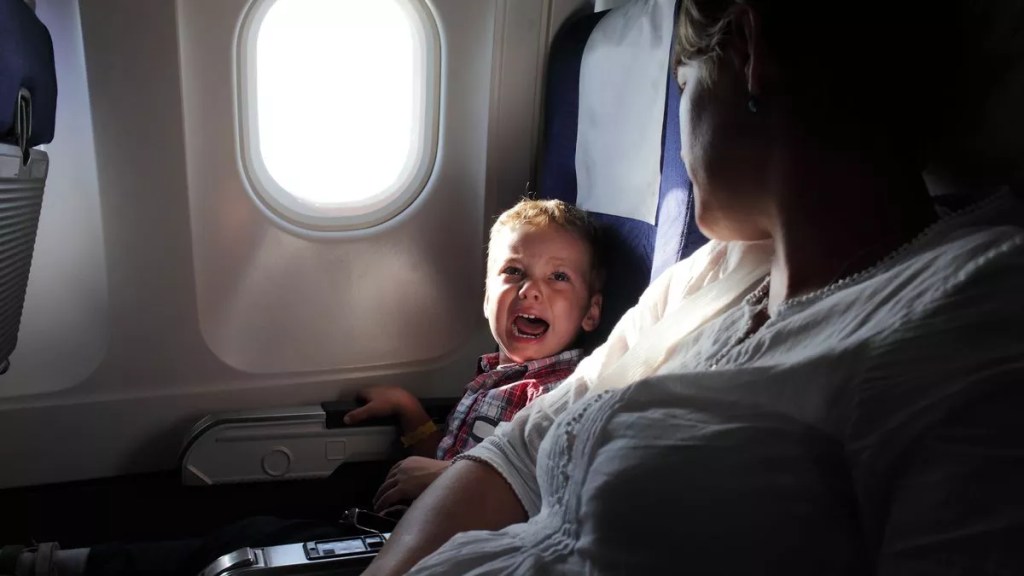
Embarking on a family adventure undoubtedly brings joy, laughter, and the promise of creating cherished memories. Yet, for those who have traveled with little ones in tow, the notion of kids’ airplane tickets costing more than their adult counterparts may raise eyebrows. In a landscape where budget considerations are paramount, it’s worth exploring the argument that such pricing differentials might be more than just a quirk of the travel industry. In this blog post, we’ll delve into the hot topic of why kids’ airplane tickets could justifiably carry a higher price tag, examining the inconveniences that come with traveling alongside youngsters and exploring the perspectives that underpin this controversial pricing strategy. So fasten your seatbelts as we navigate the contentious skies of family travel economics.
While it may initially seem counterintuitive, the idea that kids’ airplane tickets should cost more than those of adults is not without merit. Traveling with children often introduces a myriad of challenges and inconveniences, ranging from the need for additional assistance to the potential disruptions caused by restless young travelers. Airlines argue that the elevated cost for kids’ tickets accounts for the extra resources required to ensure a comfortable and safe journey for both the children and their fellow passengers. From providing specialized seating arrangements to catering to the unique needs of younger flyers, the additional services contribute to the overall cost. Moreover, this pricing strategy can be seen as a means of encouraging families to plan and organize their trips more thoughtfully, perhaps opting for less busy travel times or investing in amenities that make the journey smoother for everyone on board. After all, it’s a small price to pay for the privilege of avoiding an impromptu game of “kick the seat” at 30,000 feet! While the debate on this issue continues, understanding the rationale behind the pricing disparity sheds light on the industry’s efforts to strike a balance between affordability and the added complexities of accommodating younger passengers.
On the flip side of the debate, many argue that kids’ airplane tickets shouldn’t come with a higher price tag than those for adults. Advocates for equal pricing contend that families already face numerous challenges when it comes to budgeting for travel, and an additional financial burden for children’s tickets can be a deterrent for many. They argue that children, particularly those in their early years, often occupy less space and require fewer amenities than adults, making the justification for higher costs questionable. Furthermore, the family travel experience is enriched when it remains accessible to a diverse range of income brackets. Instead of penalizing families for the inconvenience that may come with younger passengers, proponents for equal pricing suggest that airlines should focus on enhancing the overall travel experience for all passengers, irrespective of age, thereby fostering a more inclusive and family-friendly travel environment. Ultimately, the debate over the pricing of kids’ airplane tickets reflects the ongoing tension between making air travel affordable for families and addressing the unique challenges posed by traveling with children.
Perhaps, airlines should prioritize innovative solutions to elevate the overall flying experience, allowing families to soar through the skies without feeling unduly burdened by inflated ticket prices. After all, is the chaos of yelling really worth the hassle for everyone on board? Let us know what you think!
 Hot Takes
Leave a comment